
Tai Chi Is Counter-Habitual
When someone tries Tai Chi for the first time, they often say, “This feels so complicated, so unnatural.”
The slowness.The softness. The shifting. The coordination.
It can feel like you’re doing everything wrong.
But here’s a shift in perspective:
Tai Chi isn’t hard because it’s counter-intuitive. It’s hard because it’s counter-habitual. So let’s change that
Tai Chi is less about understanding, more about re-learning
You’ve Been Practicing Something Else
Every movement system — whether it’s running, typing, sitting in chairs, or scrolling your phone — installs patterns. We become fluent in tension. Fluent in bracing. Fluent in leading with the shoulders and forgetting the feet.
So when Tai Chi asks you to root, release, and reorganize your movement from the inside out… it’s not confusing. It’s unfamiliar.
You’re notstruggling to learn Tai Chi. You’re succeeding at noticing old habits.
Reprogramming, Not Just Repeating
Tai Chi is often taught as a “form to copy,” but I prefer to think of it as a software update.
It’s not just about mimicking motions — it’s about rewriting the operating system:
From reaction to response
From collapse to connection
From scattered to integrated
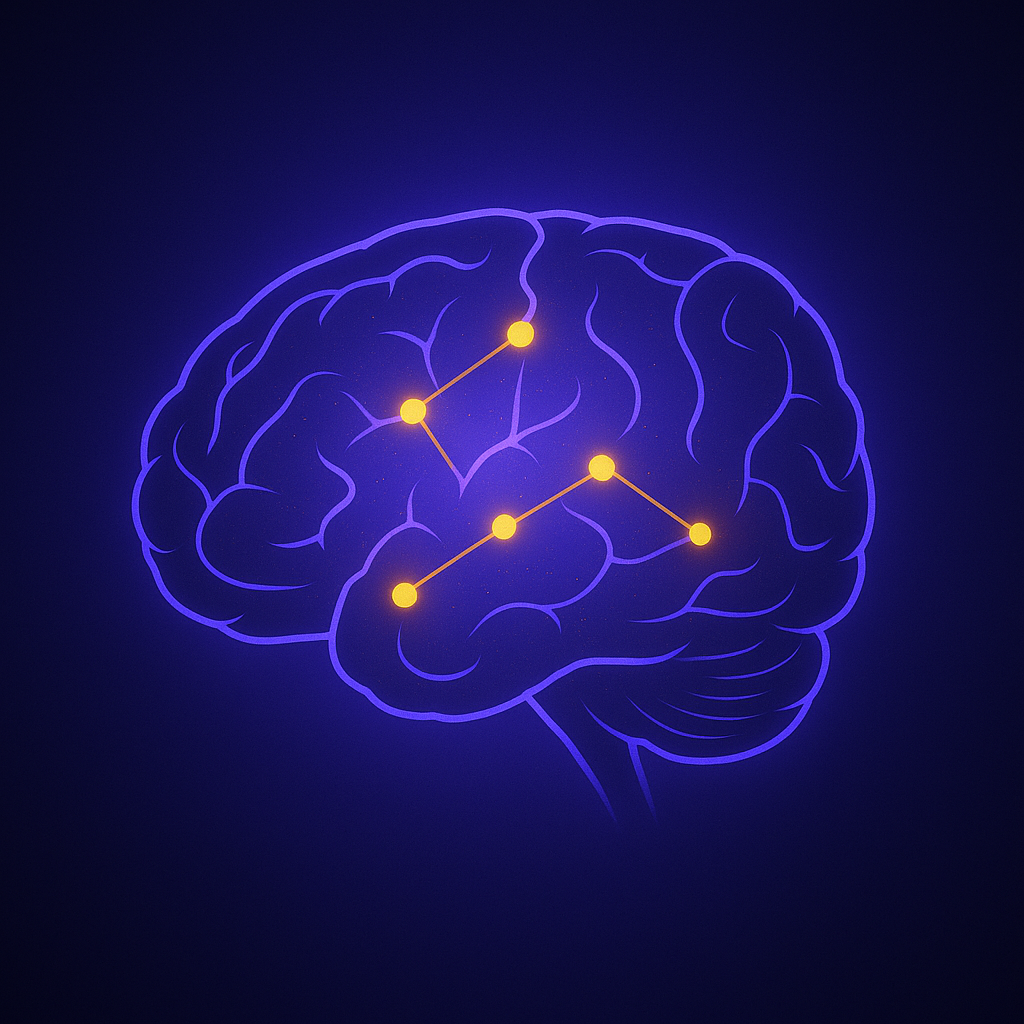
Tai Chi Re-wires your Brain
The slow, deliberate pace gives your nervous system time to choose rather than default.
That’s not just a skill.
That’s transformation.
A Patient's Realization
Yesterday, a patient of mine said something simple and beautiful:
“It’s not that this is hard. It’s just that I’ve never done it this way.”
Exactly.
Tai Chi doesn’t ask you to fight your intuition.
It asks you to meet your habits with awareness — and gently rewire them.
Feeling the Snags and Friction?
The friction you feel in practice isn’t a flaw. It’s the signal that old patterns are being interrupted.
You are learning how to feel again.
How to move again.
How to choose again.
That’s what makes Tai Chi so powerful — and so worth continueing!